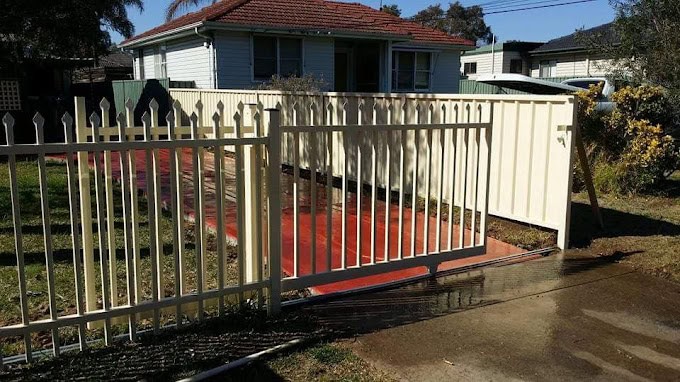
Driveway and Walkway Fence Placement Tips
A fencing around a driveway or walkway is one of those jobs that looks uncomplicated on paper and then develops into a genuine choice farm the first time you stand in the lawn and try to envision the path of a lawn mower, a delivery van, or a youngster on a mobility scooter. The positioning issues since it manages greater than look. It affects personal privacy, security, how efficiently gateways swing, whether your landscaping makes it through, and whether you wind up battling the very same problems every spring.
I have actually seen wonderful fence builds fail for one easy reason: the fencing line had not been chosen with motion and real site restrictions in mind. Roads, driveways, energy easements, tree roots, water drainage patterns, and the way individuals actually walk through an area all need judgment. Utilize the ideas listed below to make placements that look intentional and feature like they should.
Start with the 3 lines that matter: residential property, course, and functional clearance
When people call a fencing contractor, they generally lead with style questions, personal privacy degree, and elevation. All valid. However fencing placement begins with three "lines" in your mind.
First is the home line. Second is the course: the walkway you want to feel all-natural, and the driveway access you require without obtaining boxed in. Third is practical clearance, meaning room for a gate to open without scraping the driveway side, and room for snow elimination, trash bins, grass equipment, and periodic vehicles.
Here's a fast method to check whether you have actually got adequate clearance. Walk the route the fence would certainly specify. After that do it once more with a psychological overlay for motion: one hand on a leash, bring grocery stores, rolling a trash can, pressing a mower. If your fence positioning forces you to squeeze, you'll discover it everyday, and you'll eventually begin reducing edges, climbing fencings, or leaving gateways half open. Placement is convenience. Comfort comes to be habit.
Don't guess obstacles, utilize them like a layout tool
Fence positioning often hits troubles, elevation limitations, and occasionally sightline regulations, especially near intersections or driveways that attach to a road. The precise requirements differ by municipality, and some locations additionally treat fencings in different ways when they're adjacent to streets.
If you skip the trouble inquiry, 2 points can take place. Either the fence winds up as well close and you're asked to move it, or you deliberately pull it back later and shed the look you desired. The most effective builds utilize problems early, so the fence line reads clean even after adjustments.
In technique, I deal with troubles like a style restraint, not a management annoyance. As soon as you recognize the allowed distance, you can align your fencing line to corners, shape eviction area, and avoid unpleasant "half panels" near an article beside the allowed area.
If you're dealing with a Fence company or Fence service provider, inquire just how they handle laying about residential property lines and troubles. A solid fencing company will not rely on guesswork. They'll discuss locating borders, representing easements, and preparing for gateways and hardware.
Use driveway geometry, not fence dreams
Driveways don't run straight forever. They curve right into garages, they narrow near a curb, and they typically shift due to grading. When a fence line overlooks that geometry, you end up with gateway swing troubles or a fence that compels people to walk right into the driveway instead of along the walkway.
A few placement realities turn up fast:
- If your gate is aligned wrong, it will certainly either hit a post while opening or leave a space that people treat like a faster way they use daily.
- If the fencing runs as well near the driveway side, your gateway equipment can hinder tire clearance during turning.
- If the fencing corner is also limited, you'll hate it with cumbersome shipments, vacation style, or someone lugging something from the car.
The objective is straightforward: place posts and gates where individuals normally wish to take a trip, and where cars and trucks normally require space to transform or park. A well positioned gateway is undetectable in use. You open it, walk through, and the course feels obvious.
Gate placement is where most "quite" fences damage down
Gates are not just openings. They're load-bearing structures with swing arcs, lock areas, and hardware clearance. If you put a driveway or walkway gateway without comprehending the swing arc, you'll either scratch paint, chip concrete edges, or block your very own path.
I recommend taking measurements twice, however a lot more notably, I suggest doing a swing test prior to blog posts go in. Below's what I indicate in functional terms.
Imagine the gate is currently installed. Mark the latch side and joint side on the ground. Then literally swing a momentary board or even a plywood sheet in the air where eviction would take a trip. Watch for call points with driveway surfacing, fence corners, landscaping rock, and any type of nearby posts.
The "strong" step right here is demanding functional positioning over decorative proportion. An entrance centered for appearances yet misaligned for equipment clearance is a migraine waiting to occur. If the gate has to be a little countered to remove the driveway curve, allow it. Your day-to-day usage matters greater than a photo.
Think regarding sightlines and safety and security, specifically near the driveway
A fence can boost personal privacy, yet it can likewise produce blind corners. This is most recognizable when a driveway fulfills a road or when a walkway passes a spot where motorists, bikers, or kids can get in the line of travel unexpectedly.
I've gotten on websites where a fencing line was placed to obstruct a sight of the road, and the property owner liked the personal privacy up until they recognized they might no more see approaching headlights around the contour. That's not the moment to discuss appearances. Adjust the placement or layout the fencing height and section setup so the safety concession stays minimal.
For exposure, take into consideration exactly how fences engage with edges. A short change in just how panels turn around an edge can restore sightlines without compromising the entire fencing's purpose. If the area has details regulations, follow them. Otherwise, still prepare for real-world view and movement.
Plan for water drainage and the "line" water takes throughout storms
Fence blog posts don't float, and dirt does not act the very same after every storm. In areas with heavy rains, water drainage patterns are a significant positioning aspect for driveway and sidewalk fencing.
If you position messages in low places where water rests, you can see soft ground, heaving, or inconsistent blog post deepness performance. Even if the install is solid, damp dirt can reduce stability. Likewise, water can undermine the area simply past the fence line, destructive grounds or washing crushed rock and mulch away.
When you're walking the course, try to find hints. Where does water flow during a rain? Where do puddles form? Does the ground slope towards the driveway or far from it toward an edge? If you can, check after a tornado and observe the water path.
Sometimes the repair is not relocating the entire fencing. Often it's adjusting the fencing line slightly, selecting a different article place where the ground is firmer, or including water drainage adjustments before fencing setup. Obtaining this right up front protects against fence problems that turn up one season later.
Account for slopes, actions, and the fact of a degree base rail
Driveways and walkway areas frequently include tiny inclines. Also a minor grade modifications just how panels sit. If the fence design counts on a degree base rail, articles should be placed with altitude adjustments in mind. If you position messages without thinking about slope, you can wind up with irregular voids, rails that do not look right, or panels that shift since the base isn't stable.
A common error is assuming the fence can "resolve right into place" after setup. Message establishing locks the grade. After that, you can't carefully appropriate whatever with looks alone.
On sloped pathways, I such as planning for either action modifications in the secure fencing layout or a style that tolerates grade adjustments cleanly. Go over alternatives with your Fencing service provider early. An excellent Fencing contractor will discuss panel format along the incline and how they plan to keep the fencing line straight aesthetically while still anchored properly.
Avoid buried surprises: utilities, easements, and watering lines
Most individuals worry about where they can put blog posts, but the bigger danger is what you can not see. Utility lines, watering systems, and water drainage infrastructure can sit in areas you presume are "just landscape design."
A cautious https://www.facebook.com/61557710771508_122262636278257025 technique conserves time and stays clear of costly rework. Ensure energies are located prior to digging, and validate whether any type of easements exist along your designated fence line. Easements can restrict fence also when you're technically within your residential property boundaries.
This is one of the moments where knowledgeable Fencing company intending matters. If a contractor is willing to start excavating without discussing energy situating and easement awareness, pause. You desire a process that treats hidden facilities as an actual restriction, not an afterthought.
Choose materials with driveway usage in mind
Placement and material interact. A fence that looks best on day one could be the wrong choice if it routinely takes effects from the driveway edge, snow elimination, or frequent gateway use.
For driveway surrounding areas, durability and visibility end up being key. As an example, if you anticipate periodic car overhang near an entrance, you want an article and gate configuration designed genuine pressure points. If you're removing snow, consider where snow will pile and how it might push versus eviction or catch it behind drifts.
Also think about upkeep. Chain link, vinyl, aluminum, and timber all deal with wear in a different way. If your walkway is high-traffic, you'll notice scuffs and gate positioning concerns faster than you assume. The most effective positioning worldwide doesn't fix a material selection that can't handle your routine.
Edge situations that need added judgment
Every lawn has its peculiarities, however a couple of situations repeat commonly in driveway and walkway fencing.
A corner where the fencing must twist around a residential or commercial property attribute can develop tricky angles. A walkway that passes near a tree with hefty origins can restrict post positioning and pressure you to reconsider the fencing line.
Another common side situation is when the property owner desires the fencing tight to a driveway for maximum privacy. Tight positioning can work, but it needs to still appreciate gateway procedure and maintenance access. If you can't conveniently reach the fence for cleaning or fixings, you'll avoid it up until issues load up.
One extra situation I see: existing landscape design beds with irrigation lines and drip emitters. If you maintain the fence line where the bed currently exists, you may lose a piece of growings. If you relocate, you might create a brand-new bed edge that you later on regret because it networks water differently. There's no ideal answer, but being honest regarding what you agree to disrupt aids you position the surround a way that fits your long-lasting lawn plan.
A functional positioning list, prior to the initial article hole
You can save actual cash and decrease stress and anxiety by doing one last based check prior to excavating. This is the part where you quit counting on presumptions and start validating the layout in place.
- Confirm the fence line works with the gate swing arc, not just eviction width.
- Verify setbacks and any type of exposure or driveway rules for your address.
- Check drain and soil soft qualities along the intended message locations.
- Locate energies and verify easements prior to any kind of digging.
- Decide just how the fencing manages incline or actions so gaps look intentional.
If you do those 5 points, you get rid of a big share of the typical placement failures. Most shocks originate from skipping one thing on that list.
How to talk with a specialist without obtaining pushed right into bad placement
Homeowners sometimes feel forced to approve a specialist's default format. Some fence companies have basic strategies, and they're not immediately wrong. Yet driveway and pathway fence is site-specific. You need to be able to guide placement based upon your actual use.
Ask questions that expose whether they think like home builders, not simply installers.
You want a Fence specialist that asks you regarding activity, not just products. For example, ask just how they figure out the very best gateway setting based on just how you get in and exit. Ask how they account for driveway contours and snow or devices clearance. Ask exactly how they manage incline changes, and what they suggest if they come across doubtful soil.
If you want to work with a fencing contractor or fencing company, don't just request a quote. Ask for a placement plan. A respectable team will describe just how they will certainly note the line, risk it, coordinate gateway equipment, and validate place relative to borders and access.
Marking and laying: the moment you secure good decisions
Staking is not a formality. It's the last moment to take care of placement while the influence is still reversible.
A strong hosting process appears like this: the specialist notes the fencing line accurately, after that checks it with you from multiple angles. You should have the ability to stalk the proposed entrance place and test accessibility. You should stand at the sidewalk entry and see whether the fencing develops an all-natural network or a bottleneck.
If you only see the risks from the road, you'll miss out on how eviction lines up with your path inside the residential or commercial property. Go out there. Go through where the gate would certainly open. Consider it from inside, not just outside. If something really feels tight prior to installation, it will certainly really feel tighter after.
When the risks match actual motion, then you can feel confident the last job will certainly look clean and run smoothly.
Common placement is sorry for, and just how to prevent them early
Most regret stories are foreseeable once you know what to look for. Below are a couple of that show up again and again with driveway and walkway fences.
One remorse is fence placement as well near to a driveway side so that maintenance becomes awkward. The fencing looks fine, then you try to cut or plow and realize you can't get to the base or you keep striking the gate limit. Avoid it deliberately clearance for the tasks you actually do.
Another remorse is a gate that opens the upside-down or lands in the wrong place because the swing arc had not been examined. Avoid it with a physical swing test throughout staging.
A third regret is disregarding drain and later on seeing fence sections lean or rails sit strangely after dirt shifts. Avoid it by examining low spots and dirt suppleness along the line before posts go in.
Finally, regret in some cases comes from fence corners and unpleasant panel dimensions. When the fence has to twist around an angle, poor format selections can bring about weird, cramped corners. Prevent it by intending the line so corners line up with exactly how panels can be installed, not just where you want privacy to start.
Two positioning situations, and just how the choices differ
It aids to believe in situations, because the very best positioning modifications based upon your driveway style and sidewalk function.
Scenario one: a simple pathway from gateway to door.
Below, the fence's task is to frame the course and include privacy without developing friction. Placement should line up with your all-natural strolling line and maintain eviction opening from becoming a journey factor. If the walkway has a tiny incline, plan for the lower rail and panel placement so it doesn't look jagged or accidental.Scenario 2: driveway fencing that additionally covers a turn-in area.
Currently the fencing affects vehicle strategy actions. Gateway clearance and article placement issue more. You need to account for occasional vehicle setting adjustments, delivery trucks, and snow stacks. Personal privacy matters, yet security and gain access to matter too. The "ideal" personal privacy line usually requires little modifications so the driveway features without stress.In both situations, the leading policy coincides. Place the fencing where people and tools step, then pick the style details to match that reality.
Picking the right gateway hardware location for everyday use
People focus on fence height and panel style, but day-to-day inconvenience generally comes from equipment placement. Where the lock is relative to your elevation, where the gate stop sits, and exactly how eviction clears the surrounding fencing line all influence whether eviction really feels smooth or annoying.
If eviction is for foot website traffic, you want easy latch access and a clear opening. If the gate could see periodic cart use or baby stroller website traffic, prepare for a constant path width through eviction area.
And do not overlook the limit. Gate limits on driveways or near pathway surface areas need to be made so the gate does not grab, drag, or trap particles. Placement influences threshold performance due to the fact that the ground grade at eviction modifications just how eviction rests and swings.
A fencing contractor that treats equipment positioning like part of the style, not just an installation action, will certainly conserve you future frustration.
Maintenance gain access to is part of placement, not an afterthought
Even a fence you like demands maintenance. Rainfall brings dirt. Landscaping sends out mulch. Wind spreads leaves right into corners. Gateway joints collect debris.
If a fence is put so securely that you can not safely reach it with a hose pipe or fundamental tools, maintenance ends up being a job you postpone. Delayed upkeep becomes much faster use, which comes to be repairs. When you prepare positioning, include the concept of access for the future.
Think concerning exactly how you will certainly border along the fence line, just how you will trim plants that expand near posts, and whether you can reach hinges or lock components without contorting right into a narrow area. That's placement working for you over time.
Final check: the fencing should feel willful from every angle
A driveway and walkway fencing makes its maintain when it looks purposeful and behaves dependably. The posts should line up without odd panel distortions. The gate ought to open up without scraping or getting. The course ought to really feel guided, not blocked. And after a rainfall or an active day with shipments, the fence needs to still do like it was planned.
If you're working with a fencing company, deal with placement as a conversation grounded in how your property actually works. A Fence company that uses thoughtful positioning guidance, not simply a price, is more probable to supply an outcome you can live with.
If you desire, inform me a little bit concerning your setup, driveway shape, sidewalk area, and whether there's a visual or a road nearby. I can recommend the main positioning issues to prioritize for your precise layout.